Colombian food is as colorful and diverse as the country itself. With landscapes that go from snowy mountains to tropical beaches, Colombia’s geography and culture have shaped a food scene full of flavor, warmth, and identity. Every region has its own dishes, influenced by Indigenous, African, and Spanish traditions — all blending together to create one of the richest cuisines in Latin America.
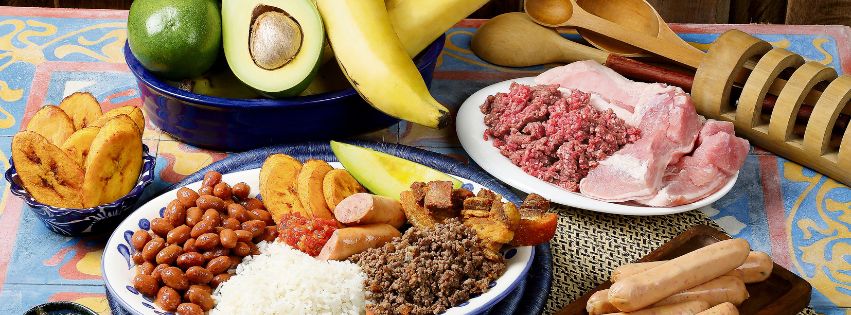
Colombian cooking tells the story of its people. Long before the Spanish came, Indigenous groups were already growing corn, cassava (yuca), potatoes, beans, and tropical fruits. Later, African and European influences brought rice, pork, and plantains — ingredients that quickly became everyday favorites. Over time, all these cultures mixed, giving life to a vibrant cuisine that celebrates both heritage and creativity.
A Taste of Every Region
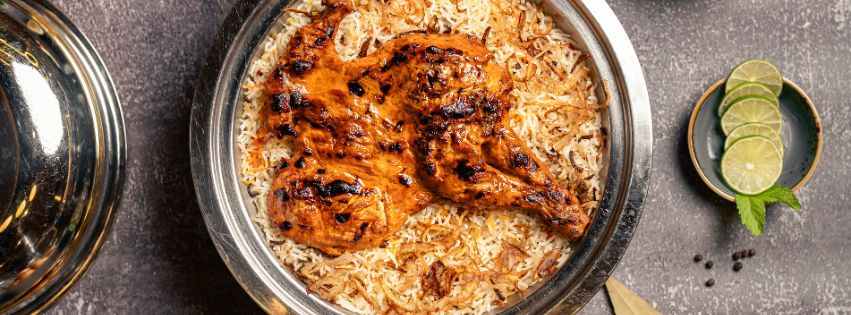
What makes Colombian food so fascinating is how much it changes from one region to another. Traveling from the Caribbean coast to the Andean mountains or deep into the Amazon feels like tasting several countries in one.
On the Caribbean coast, the food is lively and full of tropical vibes. Coconut, seafood, and fried plantains show up in almost every dish. The famous arroz con coco (coconut rice) is usually served with fried fish and patacones (crispy green plantains). Another must-try is the arepa de huevo — a deep-fried corn cake stuffed with an egg, golden and delicious.
In the Andean region, where the weather is cooler, the food is heartier. Medellín’s bandeja paisa is a symbol of abundance — a huge plate with red beans, rice, pork belly, ground beef, plantain, fried egg, avocado, and arepa. Around Bogotá, people love ajiaco, a thick chicken and potato soup flavored with guasca, a local herb that gives it a unique touch.
The Pacific region shows strong African influences. Dishes often use coconut milk, fish, and spices, resulting in rich, aromatic stews like encocado de pescado — fish simmered in coconut sauce, bursting with flavor.
In the Amazon and Llanos (plains), food stays close to nature. Meals often include cassava, river fish, and tropical fruits. One of the most curious snacks is hormigas culonas — roasted ants that locals eat as a crunchy treat with a long history behind it.
quick contact
Everyday Favorites: Arepas and Empanadas
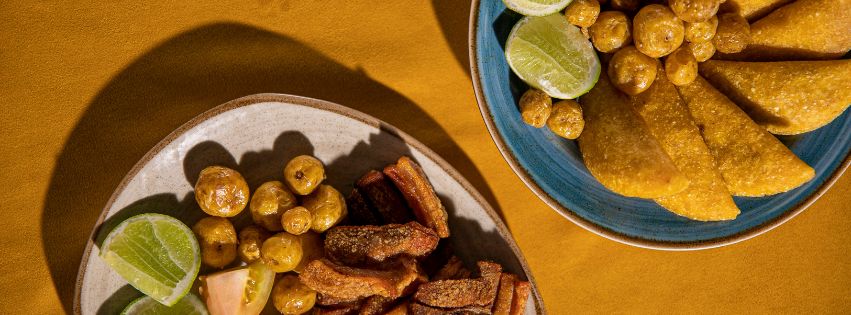
Two foods connect Colombians everywhere: arepas and empanadas.
Arepas are corn cakes that change from region to region. Some are thin and crispy, others thick and stuffed with cheese or eggs. In Antioquia, people love the simple arepa paisa, served warm with butter or cheese — especially at breakfast.
Empanadas are small fried pastries filled with meat, potatoes, or veggies, usually eaten with ají — a spicy tomato and chili sauce. They’re one of the country’s favorite street snacks: fast, tasty, and satisfying.
Soups That Bring People Together
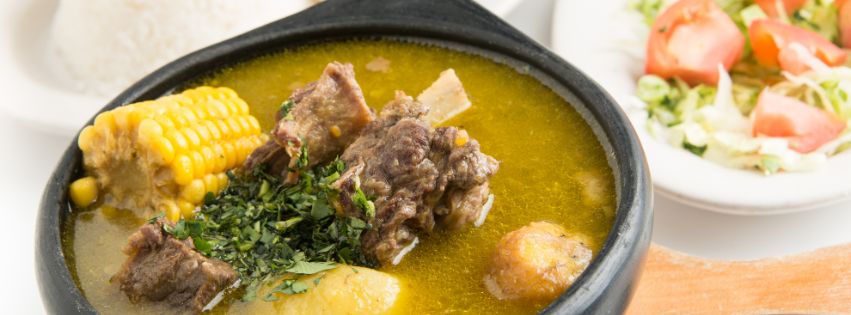
Soups are a big deal in Colombian cuisine. Sancocho is probably the most traditional — a hearty stew made with chicken, beef, or fish, plus yuca, plantain, and corn. It’s usually served with rice and avocado and often cooked for family gatherings, symbolizing unity and celebration.
Another classic is mondongo, made with tripe, veggies, and spices. It might sound unusual, but it’s deeply comforting and packed with flavor.
Sweet Traditions
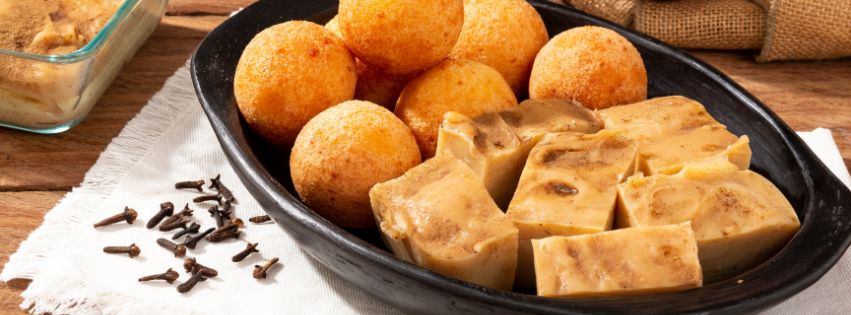
Colombians have a sweet tooth, and their desserts show it. Arequipe — a caramel-like spread similar to dulce de leche — is loved all over the country and eaten with crackers, bread, or straight from the spoon. During Christmas, families make natilla (a creamy custard) and buñuelos (cheese fritters). Other beloved desserts include postre de natas and fruity treats made with guava or mango.
More Than Just Food
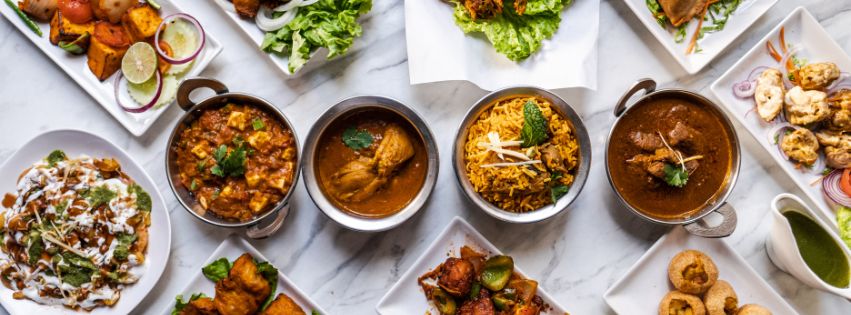
In Colombia, food is about more than just eating — it’s about love, family, and connection. Sharing a meal is a big part of life, whether it’s a quick lunch at home, a snack from a street vendor, or a big family feast. Every dish carries a sense of community and gratitude.
A Delicious Way to Discover Colombia
What truly makes Colombian traditional food special is how it brings people together. From a warm arepa in the morning to a filling bandeja paisa for lunch or a sweet spoonful of arequipe at night, every bite tells a story of history, culture, and joy. Colombian food isn’t just about recipes — it’s a way of celebrating life, one delicious meal at a time.
Visit or share our official bachelorette party in Colombia website link with the bride, or with the maid of honor for they to check all the things we can offer to her and to her bachelorette party squad:

Our bachelorette party team will take care of everything the bride needs for tailoring an astounding bachelorette party package, either in Cartagena or Medellin Colombia.


 Plan Your Trip Here!